Transportation in Tokyo
Trains & Subways
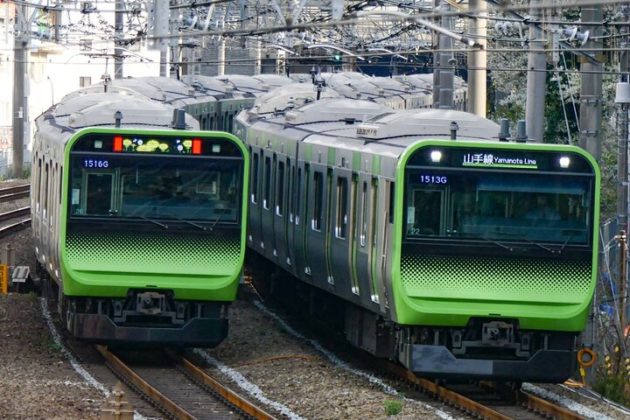
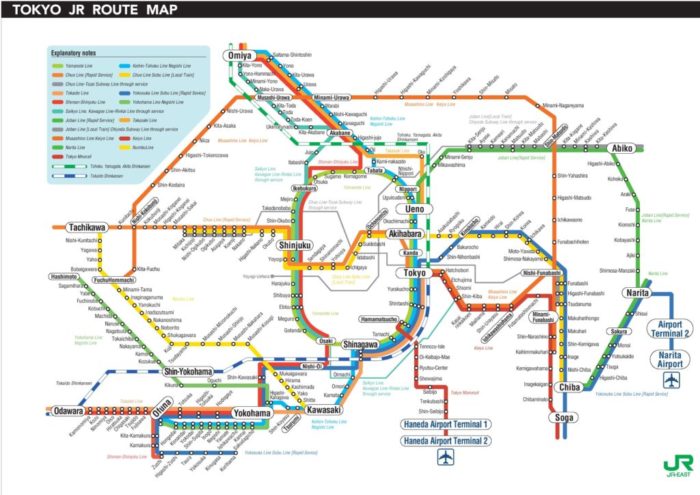
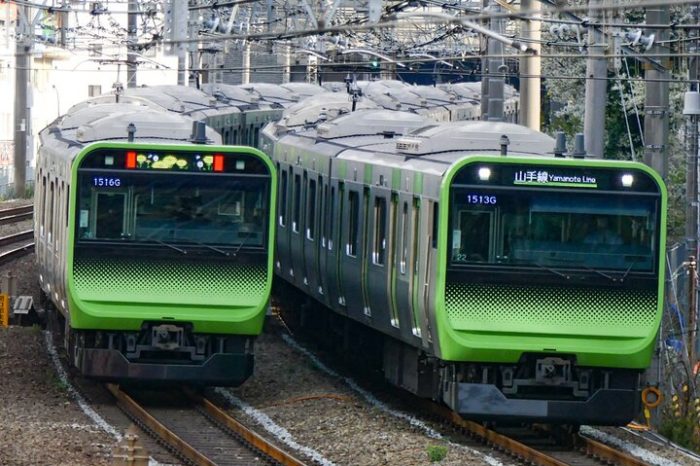
Tokyo’s rail system is the fastest way to move around the city. Locals distinguish between “trains” (JR and other above-ground lines) and “subway” (Tokyo Metro and Toei Subway underground lines) . JR East operates key above-ground lines like the Yamanote Line (a loop around central Tokyo), while Tokyo Metro and Toei run multiple subway lines covering downtown. Despite multiple operators, the networks interconnect seamlessly – you can transfer between lines of different companies in one trip. Signs and station maps are usually bilingual (Japanese/English), and train staff can often assist. Major stations can be huge; allow extra time to navigate complex stations or find specific exits.
Tip: Notice the numbered exits in stations – following the correct exit number will save you time when reaching your destination.
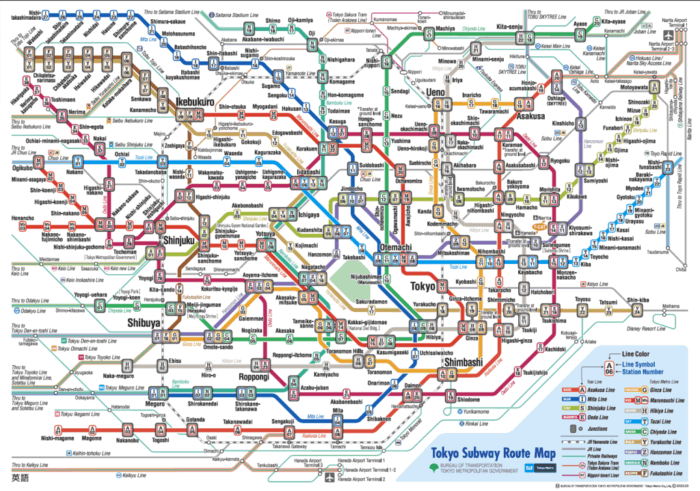
Tokyo Metro subway map
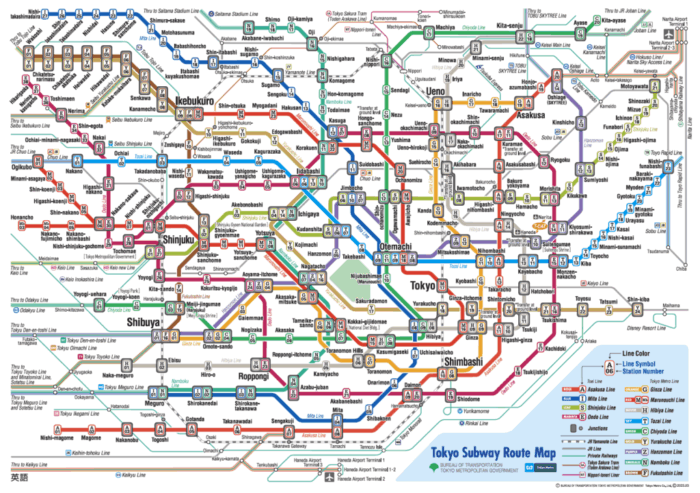
Toei Subway map
Prepaid IC Cards
(Suica & PASMO)
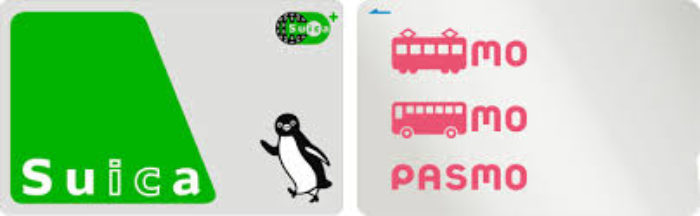
IC cards are rechargeable smart cards that will be your best friend for Tokyo transit. The two main ones in Tokyo are Suica (offered by JR East) and PASMO (offered by Tokyo’s private rail companies), but they function nearly identically . Purchase one at any train station ticket machine or counter for a ¥500 refundable deposit, top it up with cash, and then simply tap the card at ticket gates to ride trains, subways, and buses. IC cards let you seamlessly transfer between lines and operators without buying individual tickets each time . When the balance gets low, reload at station machines (press the “English” button for guidance). These cards also double as electronic money for small purchases (vending machines, convenience stores, lockers, etc.) . For short-term visitors, JR East offers Welcome Suica, a special IC card for tourists with no deposit required (valid for 28 days) . You can even add Suica/PASMO to your smartphone (Apple Pay or Mobile Suica app) for tap-and-go convenience .
Using Trains and Subways
With an IC card, just tap the gate and go. If you prefer paper tickets, use the fare maps above station machines – insert yen and select your destination fare. Keep the ticket until you exit (you’ll need to insert it at the exit gate) . Trains are famously punctual and frequent. During rush hour (around 7:30–9:30am and 5:00–7:30pm), expect crowded carriages – if you’re uncomfortable with crowds, avoid these times or be prepared to stand closely. Always let passengers off before boarding, and line up on the platform marks in single file . Inside trains, keep conversations low and avoid talking on the phone (phone calls on public transit are generally frowned upon) . Eating and drinking on short-distance trains or the subway is also discouraged – save your snack for off the train . Priority seats are marked for the elderly, pregnant, injured, or those with infants – kindly give up your seat if someone needs it . Some lines have women-only cars during rush hours (usually clearly marked on the platform and train car door) .
Buses
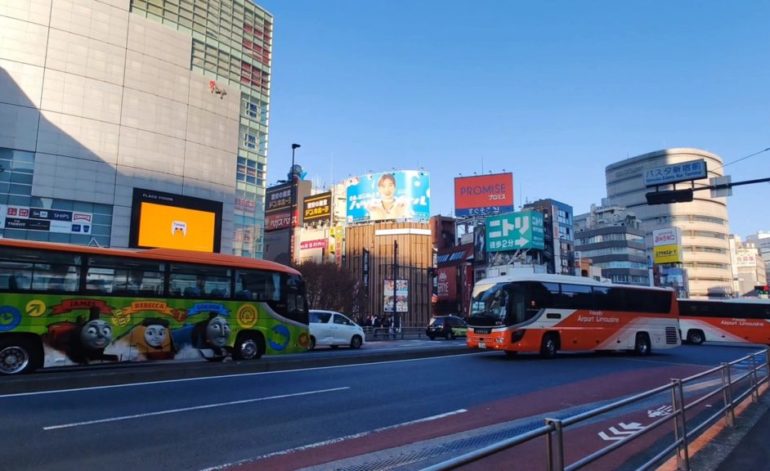
Tokyo’s bus system is extensive and can be useful, especially for areas not directly served by trains (or for short hops within neighborhoods) . Bus stops usually have route maps and timetables (often in English in central areas). You can pay with IC cards (just tap when you board, and tap again when you exit if required) or with exact fare in cash. In Tokyo, you generally enter at the front and pay as you board (the fare is flat within the central city, typically around ¥210). If paying cash, use the machine next to the driver to get change or pay the fare. Stops are announced in Japanese and often in English on city routes. Tip: Press the “stop” button on the wall or handrail when your stop is approaching. Buses are very punctual at the terminus but can be delayed by traffic en route. They are clean and safe, though signage inside might be only in Japanese – using a navigation app will help you know when to get off.
Taxis
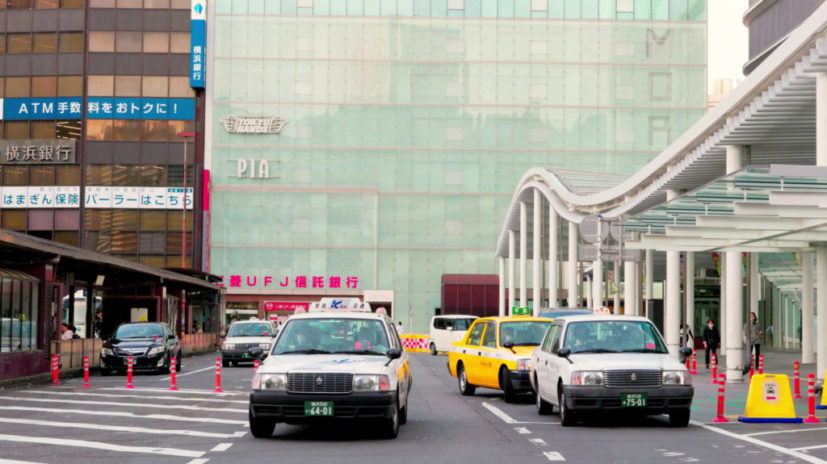
Taxis are abundant, clean, and safe in Tokyo. Drivers are professional and usually honest (they use the meter, no haggling). Many taxis have English signage and some drivers speak basic English. You can hail one on the street (if the red light in the windshield is lit, it’s available) or find taxi stands near stations and hotels. Note that taxis are relatively expensive for long distances in Tokyo; however, they are useful late at night when trains stop (train service usually ends by ~12:00am). Most taxis accept credit cards and IC cards nowadays, but it’s wise to confirm or have cash for backup. Doors open and close automatically (let the driver handle the door). Ride-share apps (like Uber) exist but primarily dispatch regular taxis in Japan and are not as widely used as in some countries.
Navigation Apps & Station Tips
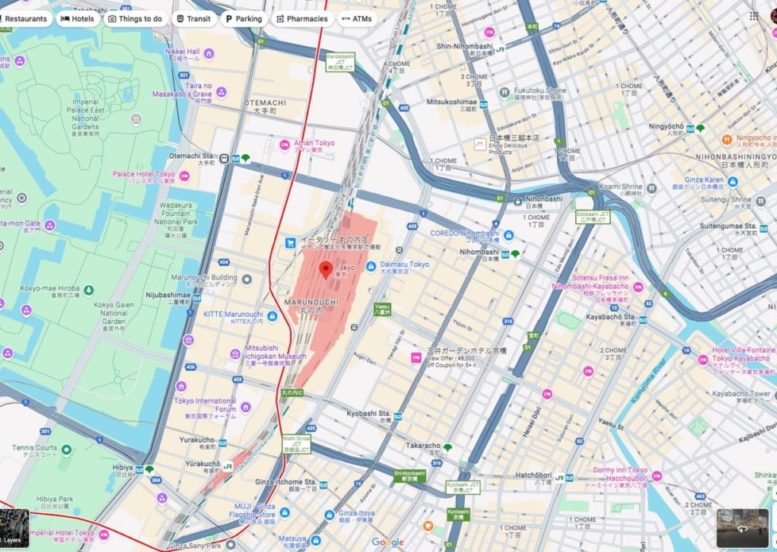
Smartphone apps will significantly ease transit navigation. Google Maps is widely used and provides up-to-date train/bus routes, schedules, platform info, and even which car to board for easier transfers. Another excellent app is Japan Travel by NAVITIME, a free official app with door-to-door route search and offline features for train schedules . Other handy apps include Tokyo Metro’s own app (“Tokyo Metro for Tourists”) for subway guidance, and JR East’s app for train updates . At stations, look for large station maps to find exits (each exit is numbered or labeled). Major landmarks are often listed under the nearest exit. If you get turned around in a station, follow the colored signs for your line or ask a station attendant (show them the station name you need; many staff can understand station names in English). Useful official links: [Tokyo Metro (subway) Website】 and [JR East Website】 provide route maps, service alerts, and ticket info. You can also download a Tokyo subway map (PDF) from the Tokyo tourism site
Other Transport Options
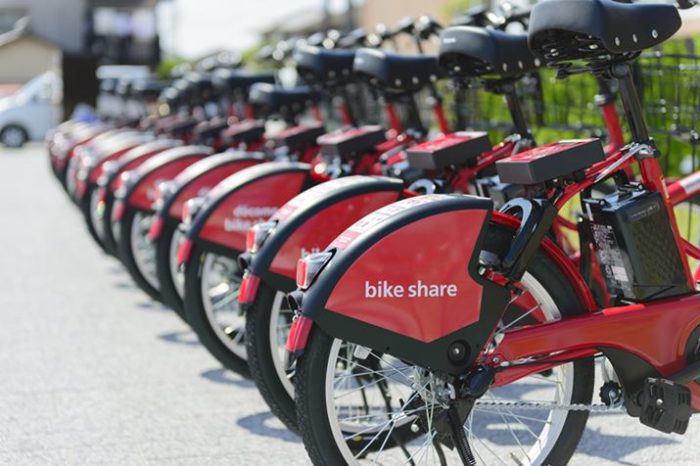
Bicycles can be a fun way to explore; many areas have rental bikes or share cycles (just be mindful of left-side traffic and park only in designated areas). Water buses and ferries operate along Tokyo Bay and the Sumida River, which can be both practical and scenic for certain spots (like Odaiba or Asakusa). If you plan excursions outside Tokyo, Japan’s Shinkansen (bullet trains) connect to cities nationwide – consider a Japan Rail Pass if you’ll take multiple long-distance trips. Within Tokyo, though, a rail pass is not necessary for cost savings unless you already have one. Short-term visitors might consider special tickets like the Tokyo Subway Ticket (24, 48, or 72-hour unlimited rides), which offers unlimited subway rides at a fixed price for those durations – great if you are doing a lot of sightseeing via subway. These can be purchased at airports or major stations with a passport (tourist eligibility required).
Yamanote Line Stamp Rally & City Walk Tour
This guided tour takes you on Tokyo’s famous Yamanote Line, a loop railway that circles the heart of the city and connects iconic districts such as Shibuya, Harajuku, Shinjuku, Tokyo, and Akihabara.